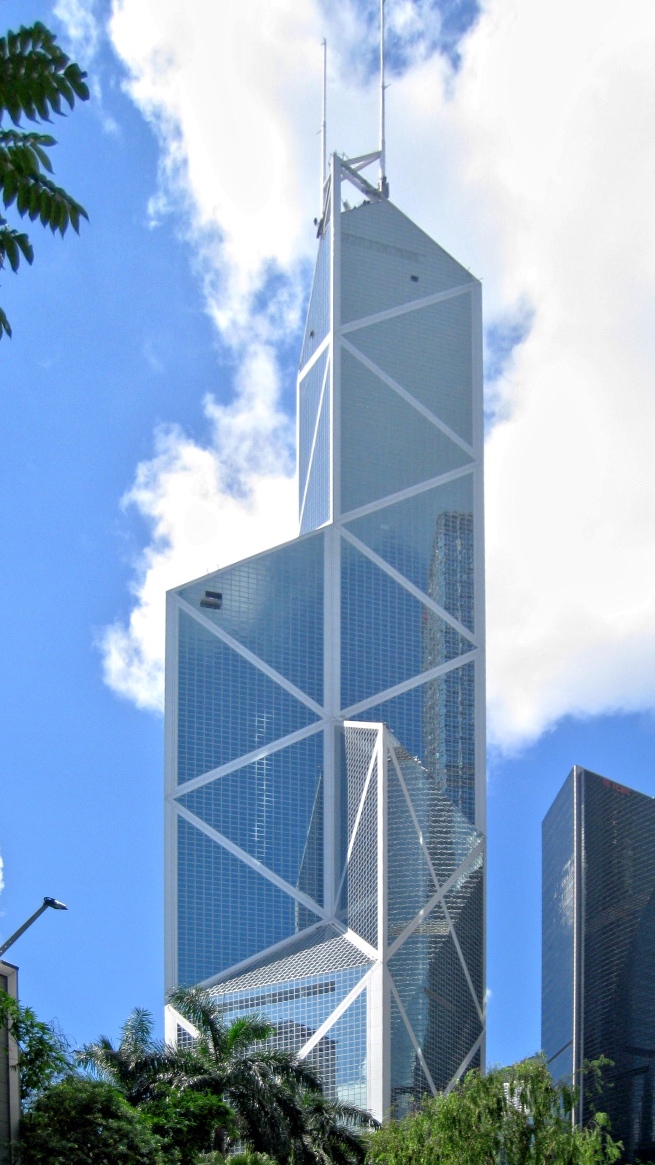
Sourcing Route Analysis
Alternative sourcing regions are compared against cost, reliability, and regulatory complexity before a company commits to a new supplier relationship.
PI Haifeng Ban Ban advises companies on international sourcing, customs requirements, and logistics planning from a San Diego base with a Pacific-facing view of trade.
Most cross-border problems are not about the product itself, but about documentation, timing, and unfamiliar regulatory steps.
Alternative sourcing regions are evaluated against cost, reliability, and regulatory complexity.
Clients are walked through what documentation a shipment actually needs before it moves.
Shipping timelines and routes are mapped out against realistic port and customs delays.
Some clients engage for a single sourcing decision, others for ongoing advisory as their trade needs evolve.
Whether the question is where to source from or how to move a shipment through customs, engagements tend to follow a similar early path.
Current sourcing, shipping routes, and documentation practices are reviewed to identify where the friction actually is.
Alternative approaches are laid out with their trade-offs in cost, timing, and regulatory complexity.
Specific customs and documentation steps are mapped out for the client's actual shipments.
Clients with recurring trade activity can continue the relationship for ongoing questions as they arise.
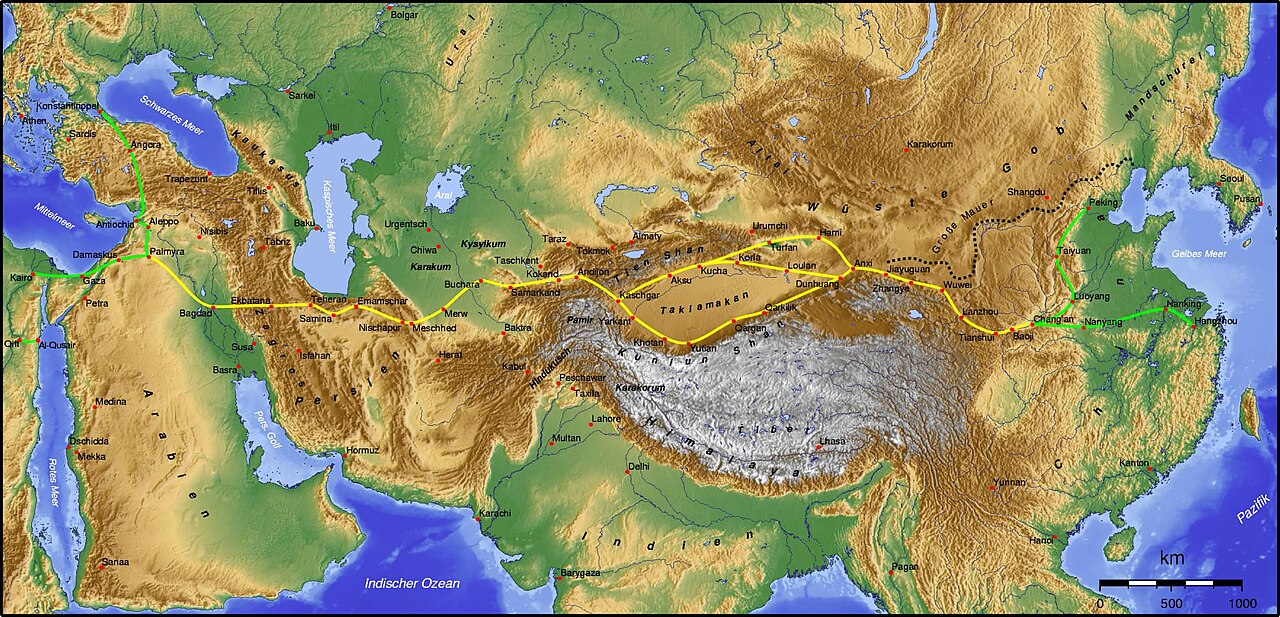
Operating from Hollingsworth Way in San Diego keeps the practice close to major Pacific shipping lanes and the ports that many client shipments actually move through.
Much of the work involves fairly unglamorous detail — documentation, timing, and regulatory requirements — which is exactly where most trade problems actually originate.
Read our full story
A sourcing decision can look great on paper and still fall apart at the border if the documentation was not planned for from the start.
That is why engagements spend real time on the unglamorous parts — paperwork, timing, and regulatory steps — rather than staying at a high strategic level only.

Being based in San Diego keeps the practice close to Pacific shipping lanes and the port activity that shapes a lot of client timelines.
That proximity does not replace direct research into a client's specific trade lanes, but it does make it easier to stay current on regional shipping conditions.
Each service below addresses a specific point where cross-border trade tends to get complicated.
Alternative sourcing regions are compared against cost, reliability, and regulatory complexity before a company commits to a new supplier relationship.
Clients are walked through exactly what documentation a given shipment needs, reducing the chance of delays at the border.
Shipping timelines are mapped against realistic port and customs delays, rather than best-case assumptions that rarely hold up.
A short list of habits behind how engagements are run.
Paperwork and compliance steps are treated as central to the advice, not an afterthought.
Sourcing recommendations account for the regulatory and logistics realities of each region.
Shipping estimates are built around actual port and customs delays rather than best-case scenarios.
Clients with ongoing trade activity can maintain the relationship rather than starting over each time.
Companies evaluating a new sourcing region or working through a customs issue are welcome to reach out to discuss it.